




























Public Liability Insurance - Cover for Injury or Damage to the Public
Public Liability Insurance Get Quote
Click to submit your details and receive a customised quote. Have questions about your coverage? Our team will call you within 1 business day.
Our Insurance Partners



















Know your policy
Everything you need to know
What is Public Liability Insurance
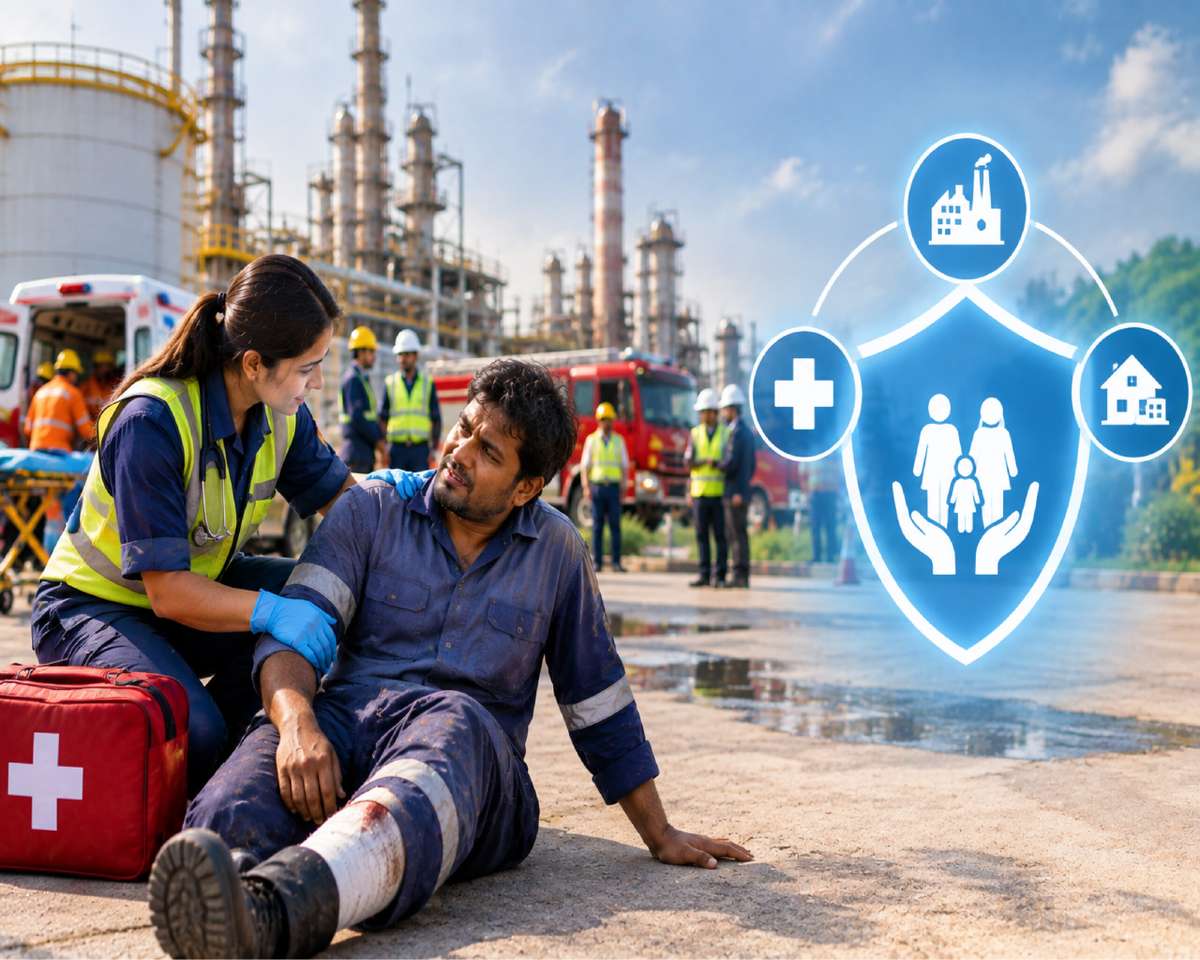
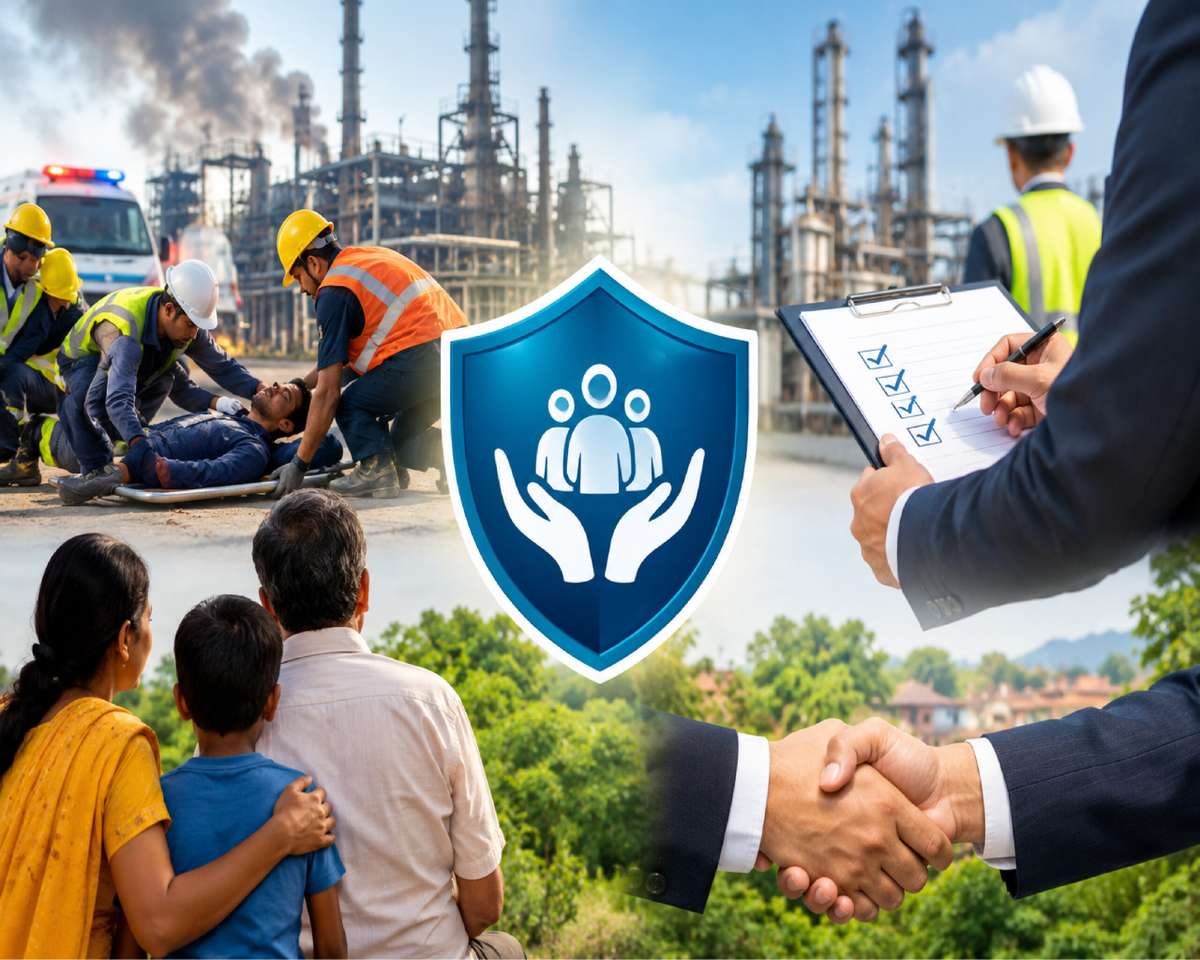
When Industry Harms a Neighbour, This Helps Fix It Fast
Public liability insurance covers third-party bodily injury and property damage caused by your premises or operations. There are two kinds of policy.
Public Liability (Act) Policy - Mandatory under the Public Liability Insurance Act, 1991 for owners handling hazardous substances. It gives no-fault relief to victims, and you also pay an equal amount to the Environment Relief Fund.
Public Liability (Industrial / Non-Industrial) Policy - Voluntary cover for injury or damage to the public from your premises or operations: factories, shops, malls, hotels, offices.
Why Is This Policy Vital?
Because community safety isn’t optional
Industrial accidents can cause mass harm; statutory coverage ensures victims receive immediate relief and reduces litigation delays.
Regulators and permits for hazardous industries often require evidence of public liability cover.
Public trust and social license to operate depend on quick, credible support for affected communities.
Know your policy
Understand your insurance before buying
Who Needs Public Liability Insurance?
Chemical Plants & Petrochemical Units
High-risk for toxic releases.
Factories Handling Hazardous Substances
Mandated by law in many cases.

Large Construction Sites
Risk to pedestrians & nearby property.
Warehouses Handling Dangerous Goods
Spill or fire risk affecting nearby public.

Waste Treatment & Storage Facilities
Pollution and accidental exposure risks.
Types / Add-ons Commonly Offered
Statutory Public Liability
Per Public Liability Insurance Act compliance.

Environmental / Pollution Liability
Sudden & accidental coverage.

Emergency Relief Payments
Immediate compensation facility.
Tenant & Contractual Liability
Coverage extensions available.
What Public Liability Pays For
Third-party Bodily Injury
Medical costs, rehab.

Third-party Property Damage
Repair/replacement costs.

Statutory Relief
No-fault relief payable under the PLI Act.

Environmental Cleanup & Remediation
Where covered.

Legal Defence
Costs of defending third-party claims.

Compensation Orders
Under statute / civil suits (subject to wording).

Temporary Housing / Disaster Relief
Costs where endorsed.

Victim Support & Funeral Costs
If applicable.
Inclusions & Exclusions
✓Inclusions
- Third-party bodily injury and death due to industrial accidents.
- Third-party property damage arising from insured activity.
- Immediate relief payments under statutory schemes (where applicable).
- Emergency response costs and short-term relief for victims.
✗Exclusions
- Wilful misconduct or criminal acts by the insured.
- War, nuclear damage and sanctions-based events.
- Gradual pollution or latent contamination (may need separate pollution liability).
- Contractual penalties and liquidated damages (unless endorsed).
FAQs
Industries dealing with hazardous substances or processes are typically mandated to have public liability or financial security under the Public Liability Insurance Act, 1991. Operating without the policy attracts penalties under the Act.
Gradual/latent pollution is often excluded; separate environmental/pollution liability policies are required for long-term remediation.
Many programmes include or help administer immediate relief payments to victims as required under statute; confirm with your insurer.
Immediate relief payouts aim to be fast; full liability settlements depend on investigation and may take longer. Insurance & statutory mechanisms aim to accelerate victim assistance.
Regulatory fines and penalties are often excluded; some policies can be endorsed for limited regulatory defence costs - check wording.
Incident reports, FIRs (if criminal), medical records of victims, site logs, environmental sampling reports, and witness statements accelerate processing.